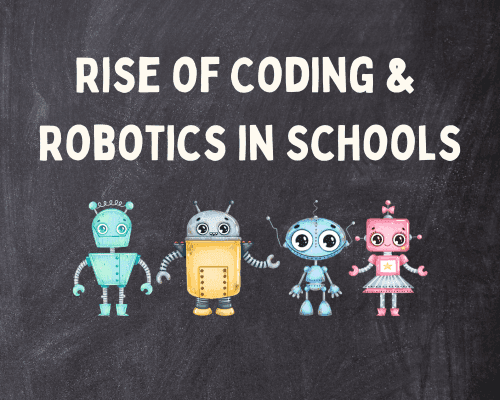
The introduction of coding and robotics education in schools is transforming the way students learn and interact with technology. As the world becomes increasingly digital, schools are recognizing the importance of teaching programming and automation skills from an early age. This shift is helping students move from passive users of technology to active creators and innovators.
Coding teaches students how to think logically and solve problems step by step. By writing programs and creating simple applications, students learn how to analyze situations, identify patterns, and develop structured solutions. These skills strengthen logical reasoning, creativity, and decision-making abilities.
Robotics brings learning to life by combining science, engineering, and programming. Students design, assemble, and program robots to perform specific tasks, giving them hands-on experience with real-world technology. Working on robotics projects promotes teamwork, experimentation, and innovation while making learning enjoyable and engaging.
Schools are increasingly setting up robotics and STEM labs equipped with sensors, microcontrollers, and automation tools. Through project-based learning, students build models such as automated vehicles, smart home systems, and obstacle-detecting robots. Such activities help them understand practical applications of technology.
Participation in coding competitions, robotics challenges, and innovation fairs encourages students to think creatively and develop solutions to real-life problems. These platforms build confidence, improve presentation skills, and inspire young learners to pursue careers in science and technology.
Early exposure to coding and robotics prepares students for future careers in artificial intelligence, software engineering, data science, robotics engineering, and automation. Even for non-technical careers, these skills improve digital literacy and problem-solving abilities that are valuable in any profession.
Teachers are receiving training and support to integrate coding and robotics into classroom teaching. Beginner-friendly tools such as block-based coding platforms and simple robotics kits make it easy for young students to understand programming concepts without prior technical knowledge.
In addition to technical skills, coding and robotics education fosters creativity, resilience, and critical thinking. Students learn through trial and error, which builds perseverance and confidence in overcoming challenges.
The growing adoption of coding and robotics in schools reflects a forward-looking approach to education. By blending technology with creativity and hands-on learning, schools are preparing students to thrive in a future driven by innovation and digital transformation.