
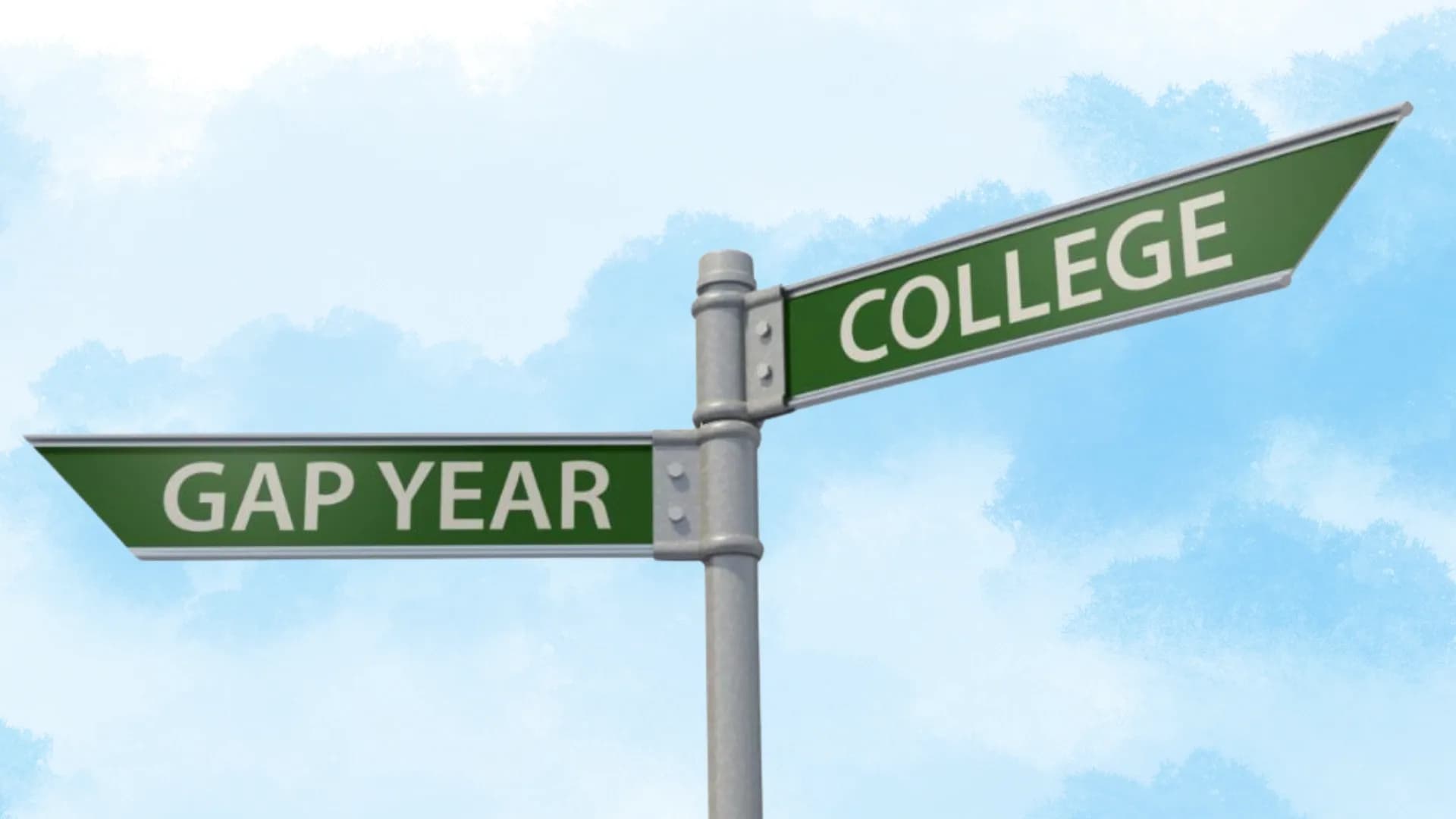
Is Taking a Gap Year a Good Idea? Complete Guide
Many students today consider taking a gap year before starting college or choosing a career path. While some see it as a valuable opportunity, others worry it may lead to delays or loss of direction.
In my opinion, taking a gap year can be a smart decision if used wisely. However, without proper planning, it may increase confusion and uncertainty.
Table of Contents
- What is a Gap Year?
- Why Students Consider Taking a Gap Year
- Benefits of Taking a Gap Year
- Risks of Taking a Gap Year
- How to Use a Gap Year Productively
- Changing Your Mindset About Gap Years
- My Opinion – Should You Take a Gap Year?
- Best Strategy for Students
- Conclusion
What is a Gap Year?
A gap year is a break taken by students after completing school or before starting higher education. During this time, students may explore interests, gain experience, or simply take time to think about their future.
Why Students Consider Taking a Gap Year
Students choose a gap year for different reasons. The most common reason is confusion about career choices.
Key reasons include:
- Uncertainty about choosing the right career path
- Feeling mentally exhausted after exams
- Wanting real-world exposure before college
- Lack of clarity about interests and goals
This situation often connects with student confusion career, where students feel unsure about their next step.
Benefits of Taking a Gap Year
If planned properly, a gap year can offer several advantages.
Major benefits include:
- Better self-awareness and clarity
- Time to explore different career options
- Opportunity to learn new skills
- Reduced career decision fear
- Improved confidence and maturity
A well-utilized gap year can help students make better and more informed decisions.
Risks of Taking a Gap Year
While a gap year has benefits, it also comes with certain risks if not managed properly.
Possible risks include:
- Loss of academic momentum
- Increased overthinking and confusion
- Lack of discipline or structure
- Pressure from family or society
- Wasting time without productive outcomes
Without a clear plan, gap years can increase wrong career choice anxiety instead of reducing it.
How to Use a Gap Year Productively
Taking a gap year is not just about taking a break—it’s about using time wisely.
Here are some effective ways:
- Explore internships or part-time work
- Learn new skills or take online courses
- Seek career guidance 2026 resources
- Volunteer or gain practical experience
- Reflect on your interests and strengths
These steps help improve decision making students skills and reduce uncertainty.
Changing Your Mindset About Gap Years
Your student mindset plays a crucial role in how successful your gap year will be.
Instead of seeing it as a delay, view it as an opportunity to grow. Accept that taking time to understand yourself is better than rushing into the wrong decision.
This shift in mindset helps reduce fear of failure students often experience.
My Opinion – Should You Take a Gap Year?
In my opinion, a gap year is a good idea only if you have a clear purpose.
If you are taking it just to avoid decisions, it may increase confusion. But if you use it to explore, learn, and grow, it can be one of the best decisions you make.
The key is to stay focused and avoid wasting time.
Best Strategy for Students
- Take a gap year only with a clear plan
- Set small, achievable goals
- Stay consistent and disciplined
- Use career guidance 2026 resources
- Focus on skill development and growth
Conclusion
Taking a gap year can be beneficial, but it depends on how you use it. With the right planning, mindset, and actions, it can help reduce student confusion career and improve clarity.
Instead of fearing delays, focus on making meaningful progress. A well-planned gap year can lead to better decisions and a more confident future.